 By
By 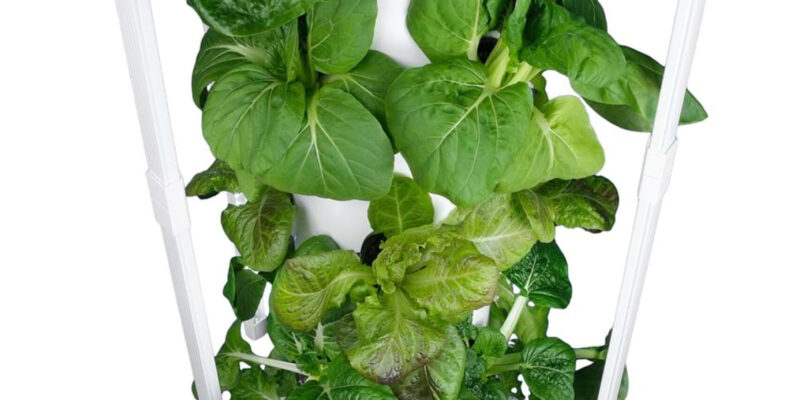
Indoor gardening has transformed dramatically with the introduction of modern hydroponic systems designed to help people grow fresh produce without soil or outdoor space. Among these innovations, the hydroponic tower has become one of the most popular and effective tools for home gardeners. Its vertical design, efficient nutrient delivery, and clean operation make it ideal for both beginners and experienced growers who want to cultivate herbs, greens, and vegetables indoors.
A hydroponic tower supports stacked plant sites in a compact structure that maximizes space and productivity. Instead of spreading plants horizontally in soil, the system grows upward, allowing more plants to flourish in a smaller footprint. This makes it especially appealing to apartment residents, small-home owners, and anyone seeking a simple, efficient indoor gardening method. Some people may come across the term grow tower, which shares a similar vertical design, but the hydroponic tower offers a more refined and controlled system that enhances plant growth and reduces maintenance.
Choosing the right hydroponic tower is essential for achieving healthy, abundant harvests. Understanding the features, benefits, and options available can help you select the perfect system for your home. This guide explores everything you need to know before making a choice, ensuring you find a hydroponic tower that matches your space, lifestyle, and gardening goals.
Why a Hydroponic Tower Is the Ideal Indoor Gardening System
A hydroponic tower stands out because it simplifies indoor gardening while offering remarkable growing efficiency. Traditional gardening often requires access to sunlight, soil quality management, and frequent watering, which can be difficult in indoor environments. A hydroponic tower solves these challenges with a fully controlled system that supports optimal plant health.
The tower circulates nutrient-rich water through a vertical channel, delivering hydration and minerals directly to plant roots. This prevents issues such as uneven watering or nutrient deficiencies. Plants grow faster, stay healthier, and require far less maintenance than soil-grown alternatives. Gardeners transitioning from a grow tower often notice the hydroponic tower’s superior balance and consistency, which leads to more predictable and abundant yields.
Because the system operates without soil, it keeps the indoor environment clean and minimizes pests. This convenience makes the hydroponic tower an excellent choice for busy households, small spaces, and modern homes that prioritize simplicity and efficiency.
Understanding Space and Placement in Your Home
Before choosing a hydroponic tower, it is essential to assess how much space you can dedicate to indoor gardening. The compact vertical shape of a hydroponic tower makes it suitable for kitchens, living rooms, home offices, and even shaded corners when paired with LED grow lights. This flexibility allows you to incorporate a productive garden into areas that might otherwise go unused.
Taller towers accommodate more plants but require slightly more vertical clearance. Compact models are ideal for countertops or shelves, offering a convenient solution for homes with limited floor space. As you compare systems, consider whether you prefer a freestanding hydroponic tower or a smaller design that fits comfortably alongside your existing décor. The tower should complement your home environment and enhance your daily routine rather than create clutter.
If you have previously tried a grow tower, you may notice that hydroponic options are easier to integrate into living spaces due to their sleek design and cleaner operation.
Evaluating Lighting Needs for Healthy Plant Growth
Light is one of the most important factors in choosing a hydroponic tower. While natural sunlight is beneficial, many urban homes and indoor layouts do not provide sufficient exposure for plant growth. This is why many hydroponic tower systems include built-in LED grow lights, offering consistent illumination that mimics natural sunlight and supports year-round growing.
If you place your hydroponic tower near a window with bright, indirect light, you may not need supplemental lighting. However, towers with integrated lighting offer more flexibility in placement and ensure plants thrive regardless of seasonal changes or weather conditions.
LED-equipped hydroponic tower systems also allow for adjustable height and intensity settings, which help accommodate various stages of plant growth. This feature offers a major advantage over simpler grow tower setups that may require separate lighting units or constant repositioning.
Capacity and Plant Variety: Finding the Right Fit
Different hydroponic tower models offer varying numbers of planting sites, which determines how many plants you can grow simultaneously. Choosing the right capacity depends on your gardening goals, available space, and household needs.
Smaller towers are ideal for beginners interested in cultivating herbs or leafy greens. Larger systems support a wider variety of vegetables, including compact tomatoes, peppers, or strawberries. The hydroponic tower environment encourages fast growth and high productivity, making it easy to experiment with different plant types.
Many gardeners appreciate that hydroponic towers distribute nutrients evenly across all levels, ensuring that every plant thrives. This consistency often outperforms what a traditional grow tower can deliver, especially when growing multiple crops at once.
Before choosing a model, consider which plants you enjoy using most in your kitchen. A hydroponic tower that aligns with your dietary preferences or cooking habits will feel more rewarding and practical.
Maintenance and Ease of Use for Beginners
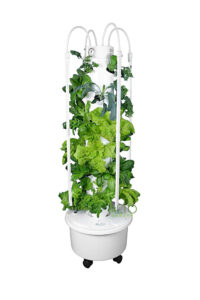
Maintenance is an important factor when choosing a hydroponic tower, especially for first-time indoor gardeners. Most systems are designed to be extremely beginner-friendly, requiring only basic tasks such as checking water levels, adding nutrient solution, and occasionally cleaning the reservoir.
Look for hydroponic tower models with accessible compartments, clear water indicators, and easy-to-clean components. These features simplify upkeep and help maintain a healthy growing environment. Towers with self-contained nutrient and water circulation systems offer the greatest convenience, ensuring plants remain hydrated and nourished without constant intervention.
Compared to a soil-based grow tower, a hydroponic tower dramatically reduces mess and maintenance, making it suitable for people with busy schedules or limited gardening experience.
Noise Levels, Power Usage, and Home Compatibility
Hydroponic towers rely on pumps to circulate water, which means choosing a model with a quiet, energy-efficient pump is essential for indoor comfort. A well-engineered system operates quietly enough for bedrooms, living rooms, and workspaces without creating disruption.
Power usage varies depending on the pump and lighting system. LED lights designed for hydroponic towers are energy-efficient and typically suitable for long daily operation. When selecting a tower, look for specifications that balance performance with minimal energy consumption. This ensures your hydroponic garden remains cost-effective and eco-friendly.
Home compatibility is also crucial. The best hydroponic tower should fit seamlessly into your living space while complementing your lifestyle and daily routine. Whether you place it near your kitchen for easy herb access or in a dedicated indoor garden corner, the tower should enhance your environment and bring enjoyment to your home.
Why a Hydroponic Tower Is Better for Long-Term Indoor Gardening
A hydroponic tower offers more than convenience. It provides a sustainable and future-focused method for producing fresh food at home. Its water-efficient design conserves resources, while its soil-free operation supports a cleaner, healthier living environment.
Unlike seasonal outdoor gardening, the hydroponic tower allows year-round growth, giving you full control over your indoor harvests. Its vertical structure maximizes space, making it perfect for homes where square footage is limited. Many gardeners who start with a basic grow tower upgrade to a hydroponic tower because of its advanced features, cleaner operation, and superior plant performance.
The long-term value of a hydroponic tower extends beyond its growing capacity. It encourages healthier eating habits, reduces grocery bills, and supports sustainable lifestyle choices.
Final Thoughts on Choosing the Right Hydroponic Tower
Choosing the right hydroponic tower for your home involves understanding your space, lighting needs, maintenance preferences, and gardening goals. With its vertical design, controlled environment, and beginner-friendly features, the hydroponic tower is one of the most effective indoor gardening solutions available today.
Whether you want a compact system for fresh herbs or a larger tower capable of supporting a full garden, the hydroponic tower gives you the flexibility and efficiency to grow fresh produce indoors year-round. For anyone seeking a modern, sustainable, and space-saving gardening method, this system offers unmatched benefits and long-term value.



Comments