 By
By 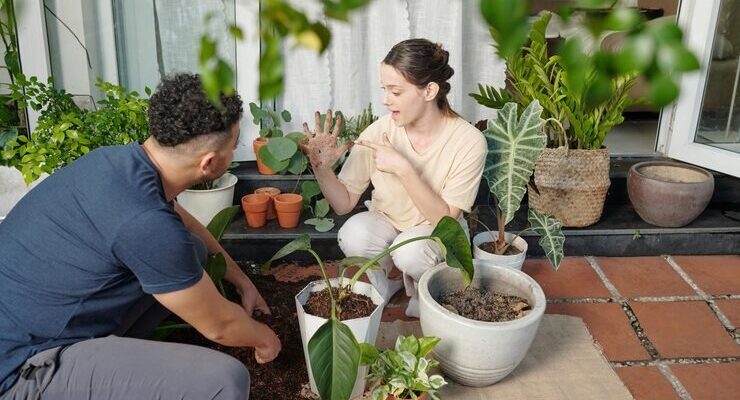
Gardening Guide
Beginner Gardening Tips for a Greener Home
Learn simple beginner gardening tips for home gardening, small garden ideas, soil care, watering, easy plants, and building a greener space with confidence.
Starting a garden sounds simple until you stand in front of empty soil, random pots, seed packets, and plant labels that all seem to say different things. Some plants need full sun. Some prefer shade. Some want regular watering, while others dislike wet roots. For beginners, it can feel like there is too much to learn before the first plant even goes into the ground.
The good news is that gardening does not need to be complicated. A healthy garden starts with a few basic habits: understand your space, choose plants that fit your conditions, care for the soil, water properly, and observe what changes over time.
These beginner gardening tips are designed for people who want a greener home without stress. Whether you have a backyard, balcony, patio, windowsill, or small outdoor corner, you can build a garden that feels manageable, useful, and enjoyable.
Why Gardening Is Worth Starting
Gardening gives your home more life. It can make a plain balcony feel peaceful, turn a small yard into a relaxing corner, or help you grow herbs and vegetables for everyday use. It also creates a closer connection with the seasons because you begin noticing sunlight, rain, soil, insects, flowers, and growth in a new way.
For many beginners, the biggest reward is not having a perfect garden. It is seeing something grow because you cared for it. A few healthy herbs, a small flower bed, or a container of tomatoes can bring real satisfaction.
Home gardening also allows you to shape your space around your lifestyle. Some people want fresh herbs near the kitchen. Some want colourful flowers near the entrance. Others want low-maintenance greenery that makes the home feel calm. There is no single correct garden style. The best garden is the one you can care for consistently.
Start by Understanding Your Space
Before buying plants, spend a few days observing your garden area. This step can save money and prevent frustration.
Watch how much sunlight the space gets. A sunny spot may be good for vegetables, herbs, and flowering plants. A shaded area may be better for plants that prefer cooler, softer light. A windy balcony may need sturdy containers and plants that can handle exposure. A small patio may work better with vertical planters, hanging baskets, or compact pots.
Ask Yourself These Questions
- How many hours of sunlight does the space get?
- Is the area exposed to strong wind?
- Does water drain easily?
- Is the space close enough for regular care?
- Do I want flowers, food, greenery, or a mix?
A garden should match the space you actually have, not the space you wish you had. This is especially important for beginners because the right plant in the right place is much easier to care for.
Choose Easy Plants First
A common beginner mistake is choosing plants only because they look beautiful in photos. Appearance matters, but care needs matter more. Some plants require careful pruning, specific soil, frequent watering, or pest control. Beginners usually do better with reliable, forgiving plants.
For outdoor home gardening, easy choices may include marigolds, zinnias, mint, basil, parsley, lettuce, radishes, cherry tomatoes, lavender, and hardy ornamental grasses. For indoor or balcony gardening, consider pothos, snake plant, aloe vera, peace lily, spider plant, or small herbs near a bright window.
The goal is to build confidence. Once you learn how plants respond to water, sun, and soil, you can try more demanding varieties.
Prepare Healthy Soil
Soil is the foundation of a garden. Plants depend on it for support, nutrients, moisture, and root health. Even the best plant can struggle in poor soil.
If you are planting in the ground, remove weeds, loosen compacted soil, and mix in organic matter such as compost. Compost helps improve soil texture and supports healthier plant growth. If you are using containers, choose a good-quality potting mix instead of heavy garden soil. Potting mix is usually lighter, drains better, and is easier for container roots.
Avoid treating soil as an afterthought. When soil is healthy, plants usually need less rescue later.
Water the Right Way
Watering is one of the most important gardening skills. Many beginners water too much or too little because they follow a fixed schedule instead of checking the soil.
A better method is to touch the soil. If the top layer feels dry, the plant may need water. If it still feels wet, wait. Different plants have different needs, and weather changes can affect how quickly soil dries.
Water deeply when needed rather than giving a tiny splash every time. Deep watering encourages stronger roots. For containers, make sure pots have drainage holes so excess water can escape. Roots sitting in soggy soil can weaken over time.
Morning is often a good time to water outdoor plants because the soil can absorb moisture before the day becomes too hot. Try to water near the base of the plant instead of soaking the leaves.
Use Small Garden Ideas for Limited Space
You do not need a large yard to enjoy gardening. Small garden ideas can help you make the most of balconies, patios, windowsills, steps, and narrow corners.
Try Container Gardening
Containers are perfect for beginners because they are flexible and easy to manage. You can move pots to better light, change the layout, and start small. Herbs, flowers, leafy greens, strawberries, and compact vegetables can all grow well in containers.
Use Vertical Space
If floor space is limited, grow upward. Wall planters, hanging baskets, shelves, railing planters, and trellises can turn blank areas into green spaces. Climbing plants, trailing flowers, and herbs work well in vertical setups.
Create a Mini Herb Garden
A small herb garden is one of the easiest ways to begin. Basil, mint, parsley, thyme, coriander, and chives can be grown in pots. Herbs are practical because they look fresh and can be used in everyday cooking.
Plan Before You Plant
A simple plan can make your garden more successful. You do not need a professional design. A rough sketch is enough.
Decide where taller plants will go, where walking space is needed, and how containers will be arranged. Keep sun-loving plants in brighter spots and shade-tolerant plants in softer light. Group plants with similar water needs together.
For flower gardens, think about colour and bloom time. For vegetable gardens, think about spacing, harvest time, and access for watering. For small spaces, avoid overcrowding. Plants need airflow and room to grow.
Learn Basic Garden Maintenance
A garden stays healthier with small regular tasks. You do not need to spend hours every day. A short weekly check can make a big difference.

Remove dead leaves and faded flowers. Pull small weeds before they spread. Check for pests under leaves. Move containers if plants are not getting enough light. Trim overgrown stems when needed.
Maintenance is easier when it becomes routine. Ten minutes a few times a week can prevent bigger problems.
Common Beginner Gardening Mistakes
Planting Too Much at Once
It is tempting to start with many plants, but a crowded garden becomes hard to manage. Start small. A few healthy plants are better than a large neglected garden.
Ignoring Sunlight Needs
Plants that need sun will struggle in deep shade. Shade-loving plants may burn in harsh sun. Always match plants to light conditions.
Overwatering
Many plants suffer more from too much water than too little. Check soil before watering and use pots with drainage.
Forgetting to Observe
Gardening is not only about following instructions. It is about noticing. Leaves, soil, flowers, and growth patterns all tell you something.
Best Beginner Garden Layout Ideas
- Front Door Flower Pots: Place colourful flowers or leafy plants near your entrance to add instant curb appeal.
- Balcony Herb Corner: Use railing planters or small pots to grow herbs in a sunny balcony corner.
- Raised Garden Bed: A raised bed keeps soil organized and works well for vegetables and flowers.
- Window Box Garden: Window boxes are great for small flowers, herbs, and trailing plants.
- Patio Container Group: Group pots of different sizes together for a fuller and more balanced look.
Beginner-Friendly Plants to Consider
Flowers
Marigold, zinnia, petunia, pansy, calendula, and sunflower are good beginner-friendly flower options.
Herbs
Basil, mint, parsley, thyme, rosemary, and chives are useful herbs that fit well in small home gardens.
Vegetables
Lettuce, radish, spinach, beans, cherry tomatoes, and peppers can be good options for beginners.
Indoor Greenery
Pothos, snake plant, spider plant, peace lily, and aloe vera are popular indoor plants for beginners.
How to Build a Simple Garden Routine
A routine helps beginners stay consistent without feeling overwhelmed.
- Daily or every few days: Check soil moisture and look at plant health.
- Weekly: Remove dead leaves, pull weeds, clean containers, and check for pests.
- Monthly: Add compost where needed, trim plants lightly, and review whether plants are getting enough light.
- Seasonally: Refresh soil, change plant choices, prepare for weather shifts, and plan new additions.
How Gardening Improves Home Spaces
A garden changes how a home feels. Even a few plants can soften a balcony, brighten a window, or make a yard more inviting. Flowers add colour. Herbs add fragrance. Vegetables add usefulness. Green plants add calm.
Gardening also encourages better use of outdoor space. A plain patio can become a morning tea corner. A balcony can become a fresh herb station. A backyard can become a family activity area.
The best home gardens are not always the biggest. They are the ones that feel cared for.
Final Thoughts
Gardening is easier when you start with simple steps. Understand your space, choose beginner-friendly plants, improve the soil, water carefully, and build a small routine. Do not worry about creating a perfect garden immediately. Healthy progress matters more than perfection.
With the right beginner gardening tips, even a small space can become greener, calmer, and more useful. Start with one pot, one corner, or one easy plant. From there, your confidence will grow along with your garden.
FAQs
What are the best beginner gardening tips?
The best beginner gardening tips are to start small, understand your sunlight, choose easy plants, use healthy soil, water only when needed, and check your plants regularly.
How do I start home gardening?
Start home gardening by choosing a suitable space, checking sunlight, picking beginner-friendly plants, preparing soil or containers, and creating a simple watering and maintenance routine.
What are good plants for beginners?
Good beginner plants include marigolds, zinnias, basil, mint, parsley, lettuce, radishes, pothos, snake plant, spider plant, and aloe vera.
Can I garden in a small space?
Yes. Small garden ideas such as container gardening, vertical planters, window boxes, railing pots, and herb gardens work well for balconies, patios, and small yards.
How often should beginners water plants?
Beginners should check soil moisture before watering. If the top layer feels dry, water deeply. If the soil still feels wet, wait. Plant type, pot size, weather, and sunlight all affect watering needs.
What is the easiest garden to start?
A container herb garden is one of the easiest gardens to start. It needs limited space, is simple to maintain, and gives useful herbs for cooking.
Grow a Better Home Space
Ready to Make Your Home Greener?
Keep exploring Stitched Together Pictures for helpful gardening ideas, simple home inspiration, and practical guides that make everyday living feel more creative.

Comments