 By
By 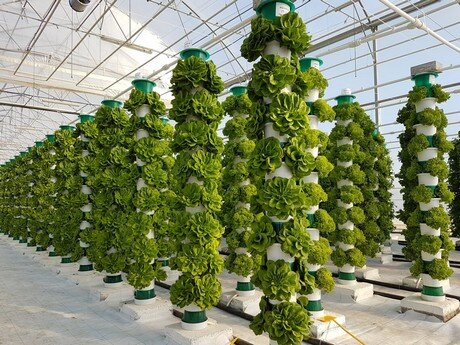
As interest in sustainable living continues to grow, more people are exploring innovative ways to produce fresh food at home. Among the most advanced solutions available today is the aeroponic tower, a vertical system that allows plants to grow without soil while maximizing efficiency and yield. An aeroponic tower garden represents a modern approach to gardening that aligns with environmental responsibility and urban lifestyles.
The Science Behind the Aeroponic Tower
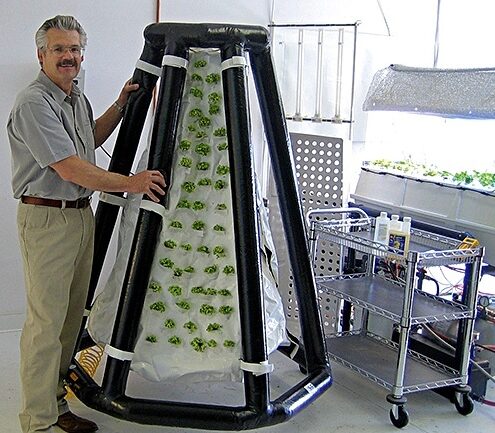
An aeroponic tower works by suspending plant roots inside a vertical structure where they are periodically misted with a nutrient-rich solution. Unlike soil-based gardening or even traditional hydroponics, aeroponics delivers nutrients directly to the roots in a highly oxygenated environment.
This method promotes faster nutrient absorption and reduces stress on the plant, leading to stronger root systems and healthier overall growth. Because roots are not compacted by soil, they can access oxygen more freely, which plays a critical role in plant development.
Why Aeroponic Tower Gardens Are Highly Efficient
Efficiency is one of the biggest advantages of an aeroponic tower garden. These systems are designed to reduce waste while maximizing output.
Water Conservation
Aeroponic systems use significantly less water than traditional gardens. The nutrient mist is carefully controlled, and excess solution is collected and reused. This recirculation process minimizes water loss and supports sustainable growing practices.
Optimized Nutrient Delivery
Instead of nutrients dispersing unevenly through soil, an aeroponic tower ensures every plant receives consistent nutrition. This uniform delivery helps plants grow evenly and reduces the risk of deficiencies.
Vertical Space Utilization
By growing upward rather than outward, an aeroponic tower garden allows dozens of plants to grow in a compact area. This is especially valuable for urban homes, apartments, and small outdoor spaces.
Ideal Crops for an Aeroponic Tower Garden
Aeroponic systems are well-suited for many popular crops, particularly those with fast growth cycles and lighter root structures. Common choices include leafy greens such as lettuce, spinach, and kale, as well as herbs like basil, mint, and parsley.
Fruiting plants such as strawberries and compact peppers also perform well when given proper lighting and nutrient balance. The versatility of an aeroponic tower garden allows growers to customize their crops based on personal preferences and seasonal needs.
Low Maintenance and Cleaner Growing
One major advantage of using an aeroponic tower is the reduced maintenance compared to soil gardening. Without soil, there are no weeds to manage and fewer pests to worry about. This leads to a cleaner growing environment and less manual labor.
Routine care typically involves monitoring nutrient levels, checking water reservoirs, and ensuring the misting system is functioning correctly. With consistent attention, the system can provide reliable harvests with minimal effort.
Supporting Sustainable Living
An aeroponic tower garden supports sustainability by conserving water, reducing land use, and minimizing the need for chemical pesticides. Growing food at home also reduces reliance on transportation and packaging associated with store-bought produce.
For individuals and families focused on eco-conscious living, aeroponic gardening aligns well with long-term environmental goals.
Conclusion
The aeroponic tower is transforming how people think about home food production. With efficient resource use, rapid plant growth, and space-saving design, an aeroponic tower garden offers a smart solution for modern gardeners. Whether you live in a city apartment or a suburban home, this innovative system makes it easier than ever to grow fresh, healthy produce year-round.


Comments