 By
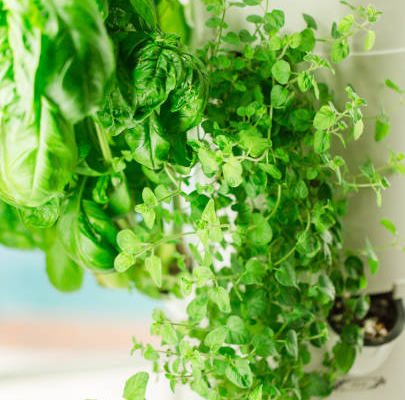
A hydroponic tower is the new way to grow. Plants grow vertically without soil. Water and nutrients are pumped up from the bottom of the tower, and the roots take what they need. You can grow the equivalent of a garden in the space of a floor lamp.
This guide explains how a grow tower functions, what types of plants it can cultivate, and what factors to consider before purchasing one.
What Is a Hydroponic Tower?
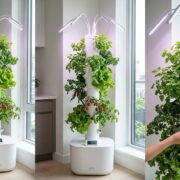
A hydroponic tower is a series of planting sites arranged vertically and supplied with water from a reservoir at the bottom of the tower. A pump draws nutrient solution from the reservoir and delivers it to the top.
Minimal water is lost because the water is recycled. The water requirements of a hydroponic system are usually much lower than those of a soil garden, since nothing runs to waste into the ground.
“Hydroponic tower” and “grow tower” are terms you may hear used interchangeably. In general use, “grow tower” is the umbrella term that covers any vertical growing system, while “hydroponic tower” indicates that the plants are grown in nutrient water rather than soil.
How a Grow Tower Works
Each grow tower is made up of four parts:
- Reservoir: stores water and dissolved nutrients.
- Pump: raises the solution to the top of the tower.
- Planting pockets: hold each plant in a small net cup or growing medium, such as stone wool or coco coir.
- Light source: natural sunlight, or LED grow lights for an indoor garden.
Gravity takes care of the rest. The water flows down the tower, wets the roots, and runs back to the bottom. A timer typically regulates the pump to make sure the roots receive oxygen as well as moisture. Roots that stay constantly wet can drown.
Benefits of a Hydroponic Tower
It requires less space. By growing vertically, you can accommodate dozens of plants on a balcony, in a corner, or in a spare room. A soil garden bed with the same productivity would require many times the space.
It matures faster. Roots have consistent access to water, oxygen, and nutrients, so most crops can be harvested sooner than they would be in soil.
It prevents many garden pests. Without soil, soil-borne pests, weeds, and most fungi can’t attack your vegetables. There is no digging, no weeding, and no bending over.
It works year-round. Grow towers rarely break down and don’t require much maintenance. Combine one with grow lights and you can harvest in winter, when outdoor gardens struggle.
What Can You Grow in a Hydroponic Tower?
Compact, leafy plants with small roots that need minimal support grow best.
- Lettuce, spinach, kale, and arugula: quick, dependable, and beginner-friendly.
- Basil, mint, cilantro, and parsley: herbs excel in these spaces, and regular harvests keep them growing.
- Strawberries: a perfect fit for tower pockets, with consistent fruiting.
- Small peppers and cherry tomatoes: possible if they are compact, but they need more light and usually a support stake.
Avoid root crops such as carrots and potatoes, and large vining plants such as squash. They require more space than a tower can provide.
How to Choose the Right Grow Tower
Not every tower fits every home. Check the following before you buy.
Capacity. Count the planting sites and compare them to how much you eat. Twelve to twenty plants is more than enough for a household. The more plants you have, the more work it is to maintain.
Indoor or outdoor use. Outdoor towers depend on sunlight, so they should be protected from excessive heat and wind. Indoor towers require built-in or add-on grow lights. If you plan an indoor garden, make sure the lights are part of the design and that the spectrum is appropriate for leafy growth and flowering.
Reservoir size. Bigger is better because it gives you more time before the reservoir runs out of nutrients. A small one can run empty in hot weather.
Pump quality. The pump runs every day, so it needs to be quiet and reliable. A weak pump leaves the plants at the top dry.
Material and build. Choose food-grade, UV-stable plastic that is easy to clean. Algae grows in any nook where light reaches the water, so opaque fittings are a must.
Ease of setup and cleaning. You will disassemble the tower between crops. Modular towers make this much easier.
Setting Up Your First Hydroponic Tower
- Choose a location. Find an area that gets at least six to eight hours of direct sunlight a day or has enough space for grow lights. Position it close to a power outlet and away from drafts.
- Assemble and test. Put the tower together and run it with plain water for an hour. Fix any leaks before adding plants.
- Mix the nutrients. Use a hydroponic-specific formula and follow the label. Ordinary garden fertilizer is not formulated for hydroponic systems.
- Test the pH. Most plants prefer a pH between 5.5 and 6.5. Test the solution and adjust it if necessary.
- Add seedlings. Start with young seedlings or sprouted seeds and gently place them into the planting pockets.
- Set the pump timer. A typical starting cycle is 15 minutes on and 15 minutes off, adjusted to your plants and room temperature.
Maintenance Tips
A grow tower takes approximately ten minutes of attention every few days.
- Check the water level and refill it as soon as it runs low.
- Test the pH and nutrient strength weekly.
- Change the entire nutrient solution every two to three weeks.
- Clean off algae and any trapped debris.
- Remove lower foliage that blocks light from reaching the stems.
Common trouble signs are yellowing leaves, weak growth, and wilting. Most of the time, the cause is pH drift, weak nutrients, or a pump that has stopped cycling.
Is a Hydroponic Tower Worth It?
If you want fresh herbs and greens near your kitchen, have limited space, or want to keep growing year-round, a hydroponic tower makes sense. It may cost more than a couple of pots, but the faster growth, reduced water consumption, and consistent harvests pay off.
When you’re ready to begin, browse Altogarden’s vertical growing selection and select a grow tower that suits your goals and space.

Comments